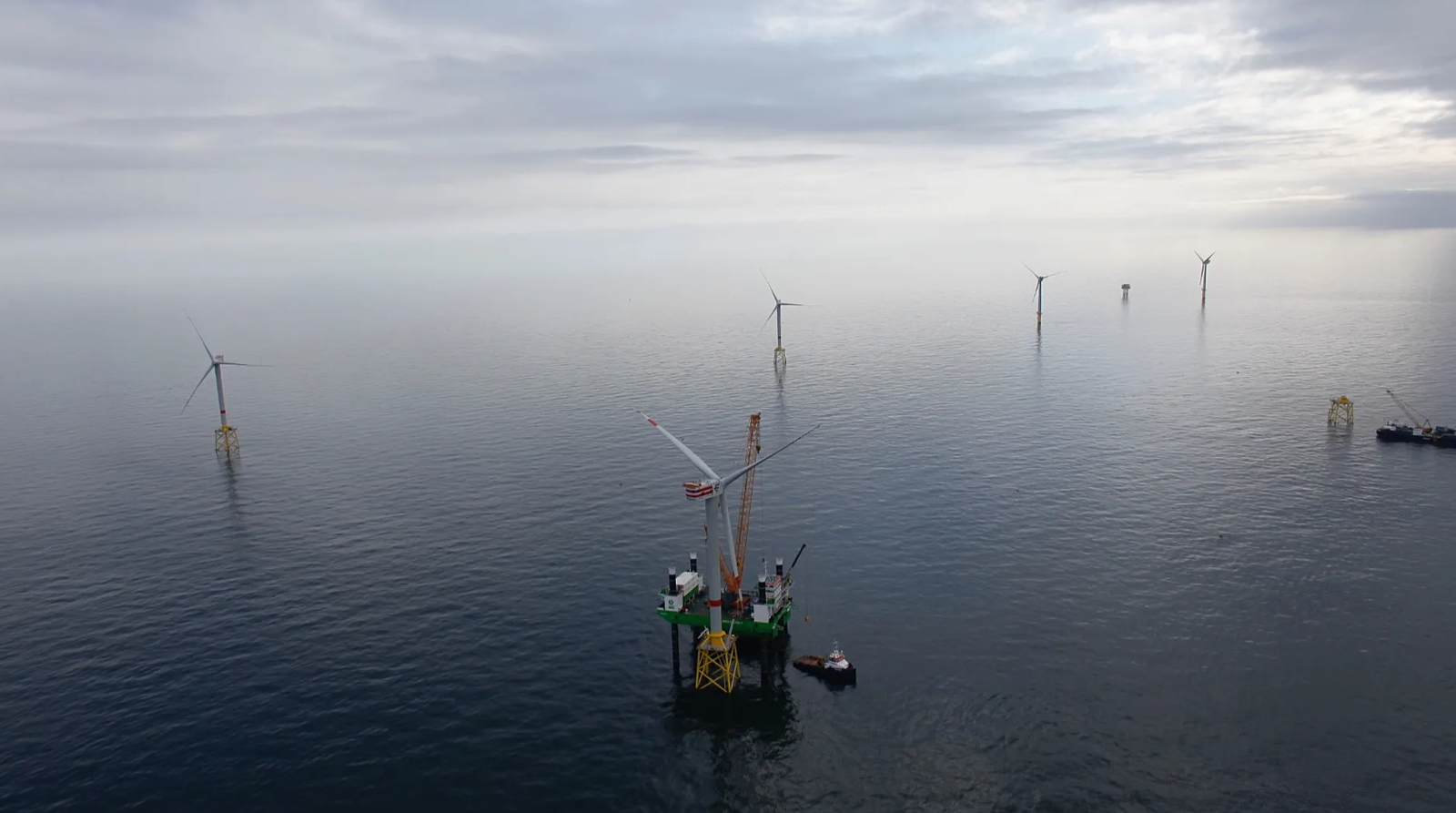
Ten European nations — Belgium, Denmark, France, Germany, Iceland, Ireland, Luxembourg, the Netherlands, Norway and the UK — are signing the Hamburg Declaration today (26 January), committing to develop 100GW of shared offshore wind capacity in the North Sea by 2050. The combined output would be enough to supply electricity to roughly 143 million households.
Backed by €9.5bn in public funding, the deal aims to transform the North Sea into a vast clean energy hub while unlocking up to €1tn in wider private investment across Europe. Officials say the initiative could generate more than 90,000 jobs and cut electricity production costs by nearly a third over the next 15 years.
The announcement comes amid renewed political attacks on wind power, following comments earlier this week from Donald Trump criticising countries investing heavily in renewable energy.
A connected future for offshore wind
The agreement builds on commitments made three years ago, when North Sea countries pledged to install up to 300GW of offshore wind by mid-century in response to Russia's invasion of Ukraine and the disruption of Europe's energy supplies.
Under the new framework, around a third of that capacity is expected to come from jointly developed projects. Central to the plan are so-called hybrid offshore assets — wind farms designed to feed electricity directly into more than one national grid via multi-purpose interconnectors.
Europe already operates an extensive network of subsea power cables, but this marks the first time offshore wind installations themselves will be integrated across borders from the outset.
Energy groups, including RenewableUK and National Grid Ventures, argue that this approach will reduce the need for duplicated infrastructure, easing pressure on coastal areas while lowering environmental impacts. By sharing connections, countries can also improve system efficiency and make better use of variable wind generation.
Not all nations have embraced interconnectors without hesitation. In Norway, concerns have emerged that electricity produced offshore could be exported abroad, limiting domestic supply and keeping household energy bills high.
In response, several governments are introducing stricter safeguards, including measures to restrict exports when national energy security could be compromised.
Breaking dependence on fossil fuels
UK energy secretary Ed Miliband said the agreement would strengthen energy independence while accelerating the transition to renewables.
"By expanding clean power in the North Sea, we can move away from the volatility of fossil fuels and build a more secure, affordable energy system," he said, adding that the pact follows the UK's largest-ever renewables auction and deepens cooperation with European partners.
Germany's economy minister, Katherina Reiche, described the declaration as a long-term signal of stability for the offshore wind industry, saying it would help protect existing jobs while creating new economic value across Europe.
The deal arrives as renewable energy reaches new milestones across the EU. Last year, wind and solar together generated more electricity than fossil fuels for the first time — a landmark moment for the bloc's energy transition.
Yet analysts warn that ageing electricity grids and slow permitting processes remain major obstacles. Without faster upgrades to transmission networks and cross-border infrastructure, they say, Europe risks falling short of its clean energy ambitions despite record investment in renewables.