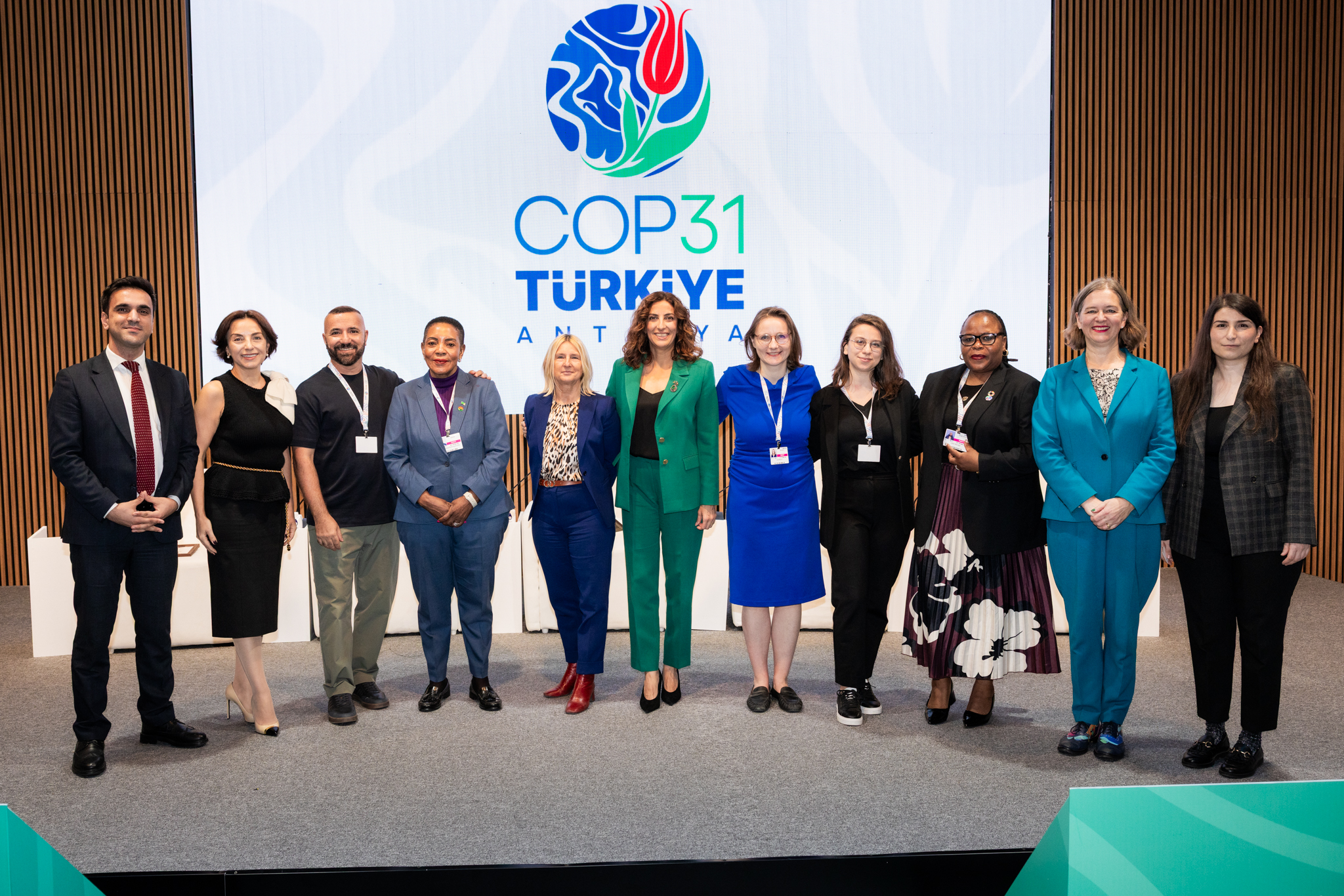
International Gathering of Women Parliamentarians Organized by WPGW at COP31: “We Cannot Afford to Wait for the Next Disaster”
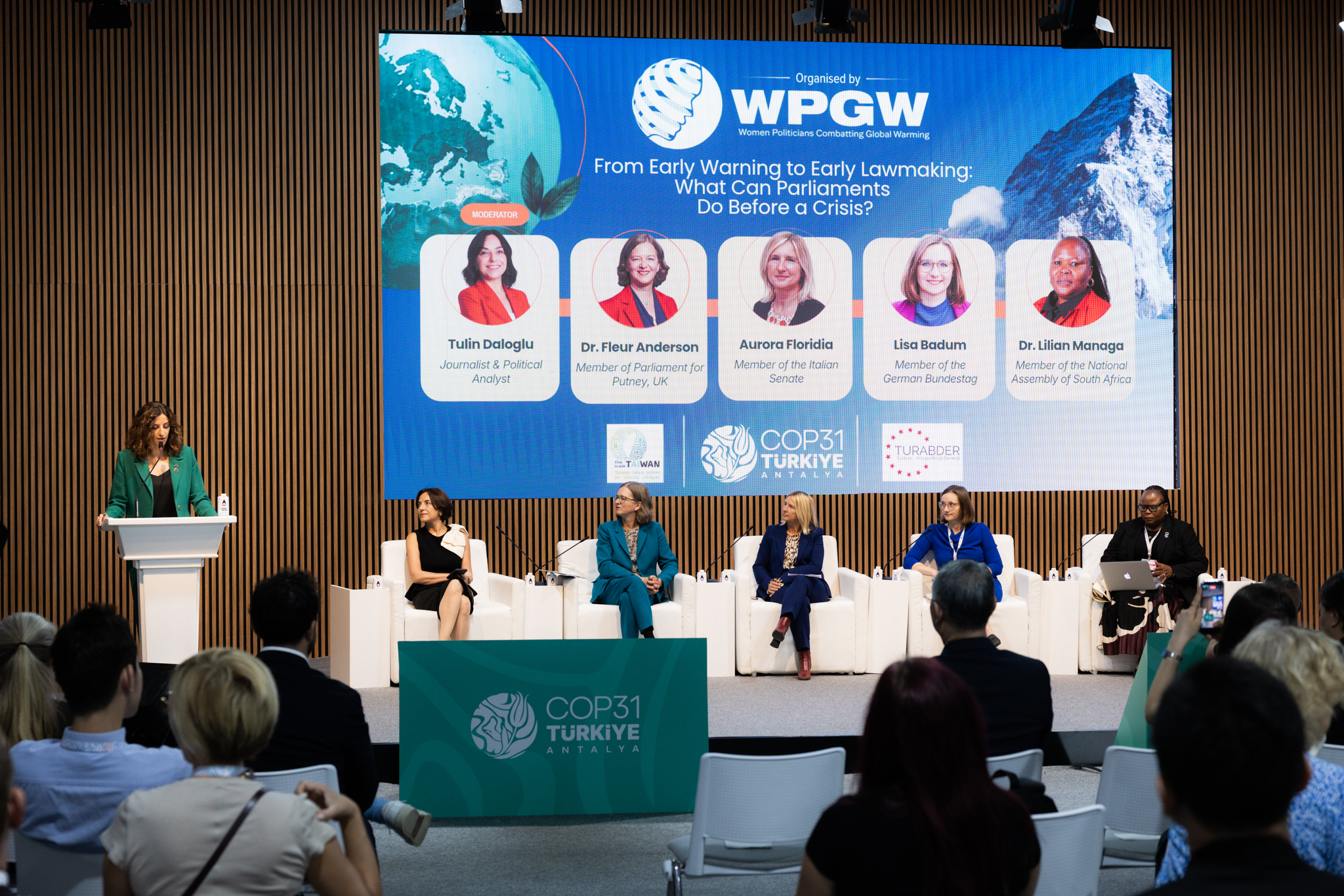
(18 November 2026) As part of COP31, an international side event was held in Antalya by Women Politicians Combatting Global Warming (WPGW), a platform co-founded by YENİ Party Istanbul Member of Parliament Evrim Rızvanoğlu. Held on 17 November 2026 in the COP31 Green Zone with the support of the Turkey–European Union Association (TURABDER) and the Taipei Economic and Cultural Mission, the event, titled “From Early Warning to Early Lawmaking: What Can Parliaments Do Before a Crisis?”, brought together women parliamentarians and politicians from different countries.
The opening remarks were delivered by YENİ Party Istanbul Member of Parliament and WPGW co-founder Evrim Rızvanoğlu, Vice President of the Turkey–European Union Association (TURABDER) Jülide Arslan, and Volkan Chih-Yang Huang, Representative of the Taipei Economic and Cultural Mission in Ankara. Speakers at the international panel, moderated by journalist and Director of the TEPAV U.S. Center Tülin Daloğlu, included Fleur Anderson, UK Labour Party Member of Parliament and Chair of the All-Party Parliamentary Group on the Environment; Aurora Floridia, Italian Senator and Chair of the Parliamentary Network for a Healthy Environment of the Parliamentary Assembly of the Council of Europe; Lisa Badum, Member of the German Bundestag for the Green Party and spokesperson on climate policy; and Dr. Lilian Managa, Member of the National Assembly of South Africa. Nelly Mutti, Speaker of the National Assembly of Zambia, also attended and addressed the participants.
The panel discussed early action to prevent disasters caused by the climate crisis, translating scientific warnings into legislation, the legislative and oversight powers of parliaments, the role of women in decision-making processes, and international cooperation.
Rızvanoğlu: “We Cannot Afford to Wait for the Next Disaster”
In her opening remarks, YENİ Party Istanbul Member of Parliament and WPGW co-founder Evrim Rızvanoğlu expressed her pleasure at bringing together women politicians from different countries in Antalya.
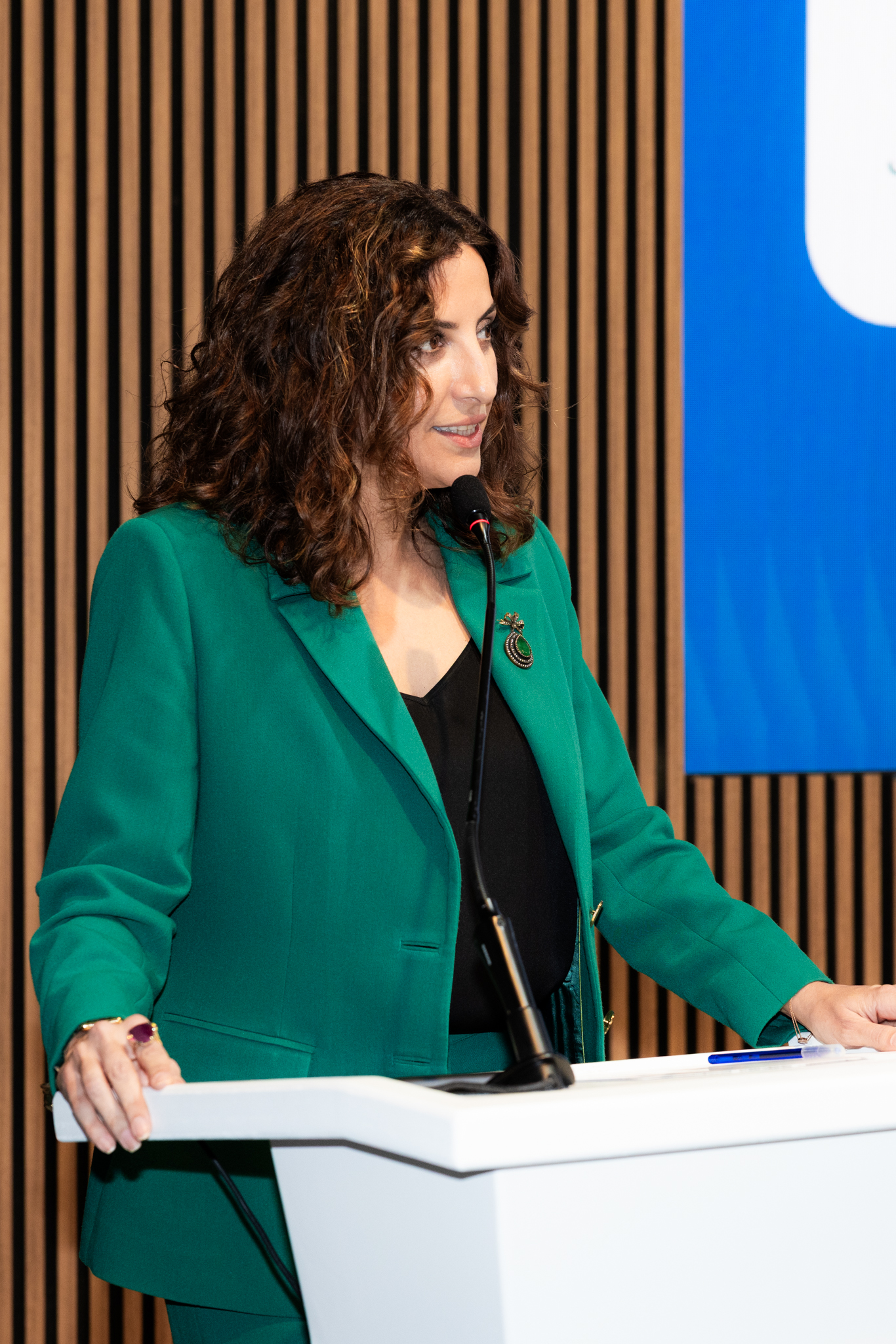
Rızvanoğlu said that, when establishing WPGW, they had envisioned an international solidarity network where women politicians could share experiences, learn from one another, and develop solutions to common problems together. “When I look around this room today, I see that dream becoming a reality. I could not be happier,” she said.
Highlighting the shared responsibilities of women from different countries, languages, and political traditions, Rızvanoğlu said: “We come from different countries. We speak different languages. We represent different political traditions. But we share the same planet, the same future, and the same responsibility.”
Emphasizing the decisive role of parliaments in tackling the climate crisis, Rızvanoğlu said: “We make the laws, we approve the budgets, and we hold governments accountable. This gives us the power to turn warnings into action.”
Noting that the scientific evidence is clear and the risks have been known for a long time, Rızvanoğlu said: “The question we must ask ourselves is whether we are acting in time. Because we cannot afford to wait for the next flood, the next wildfire, or the next disaster.”
Stating that WPGW aims to strengthen knowledge-sharing, solidarity, and international partnerships among women politicians, Rızvanoğlu concluded: “This is only the beginning. Let us build something meaningful together.”
TURABDER Vice President Jülide Arslan Thanks Participants
Speaking at the opening, Jülide Arslan thanked the women parliamentarians who attended the international gathering held as part of COP31, the speakers, and all stakeholders who contributed to organizing the event. She expressed her pleasure at seeing women politicians from different countries come together on the same platform.
Representative Volkan Chih-Yang Huang: “Adapting to Climate Change Is a Matter of Survival”
Volkan Chih-Yang Huang noted that Taiwan faces typhoons, earthquakes, and rising temperatures, saying: “In Taiwan, we know that adapting to a changing planet is not just a matter of policy; it is a matter of survival.”
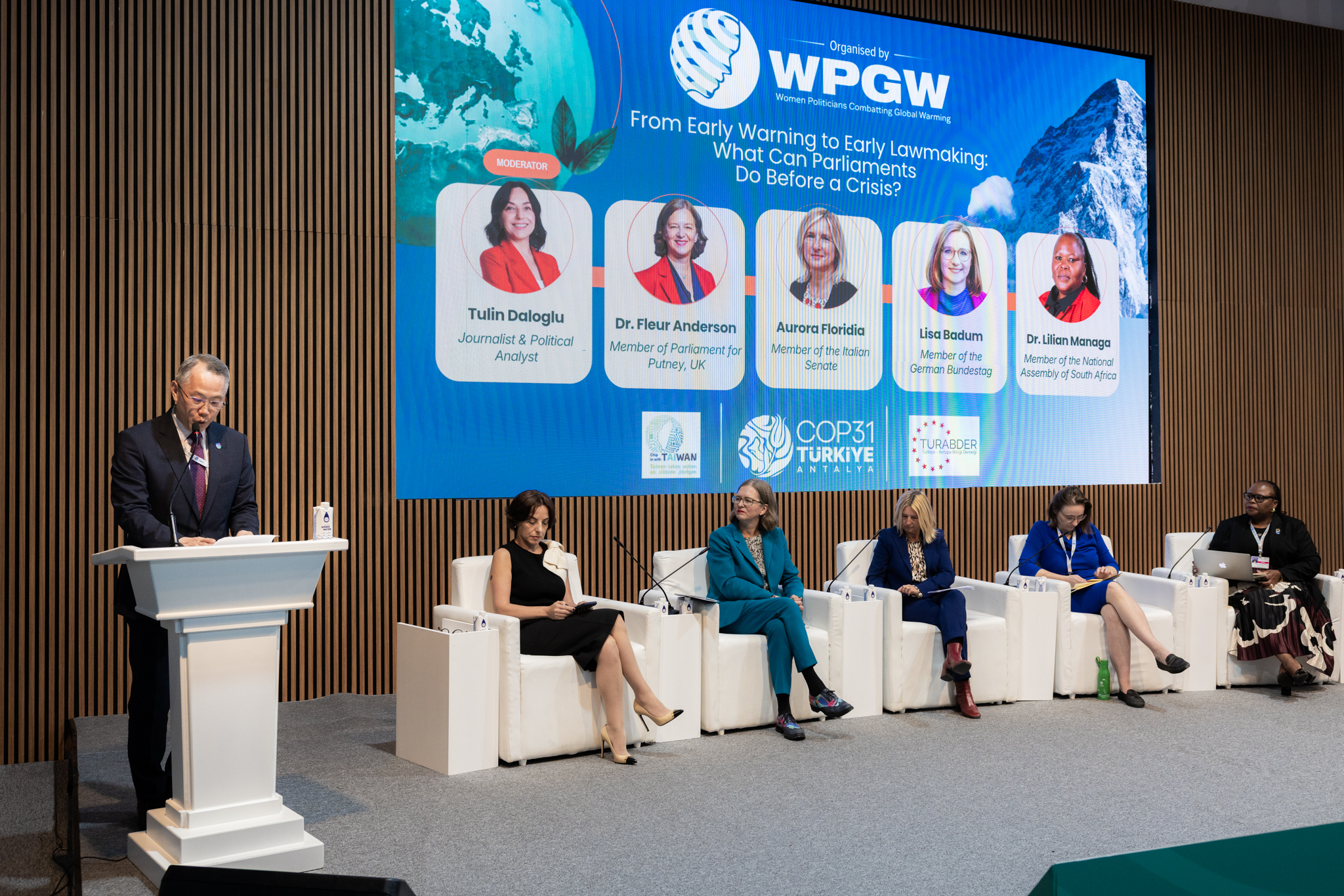
Huang stated that women hold more than 40 percent of the seats in Taiwan’s parliament and that women legislators play a leading role in developing climate policies.
Huang explained that, through the contributions of women parliamentarians, the Climate Change Response Act adopted in Taiwan enshrined the principles of a just transition and a circular economy, and that these provisions are intended to protect workers, rural communities, and Indigenous peoples as Taiwan advances toward its 2050 net-zero target.
Huang also described the important role of women legislators in developing early warning systems for disasters, noting that emerging hazards such as tsunamis, extreme heatwaves, and landslide-dammed lakes have been incorporated into the national warning system.
Huang explained that sign language, easy-to-understand visuals, and multilingual alerts are used to ensure that older people, persons with disabilities, and migrant workers can access disaster warnings. “Extreme weather events know no borders. Neither should our democratic partnerships,” he said.
Fleur Anderson: “Government Agencies Must Work Together”
UK Labour Party Member of Parliament Fleur Anderson described how extreme heatwaves in her country have seriously affected hospitals, schools, the transport system, and housing.
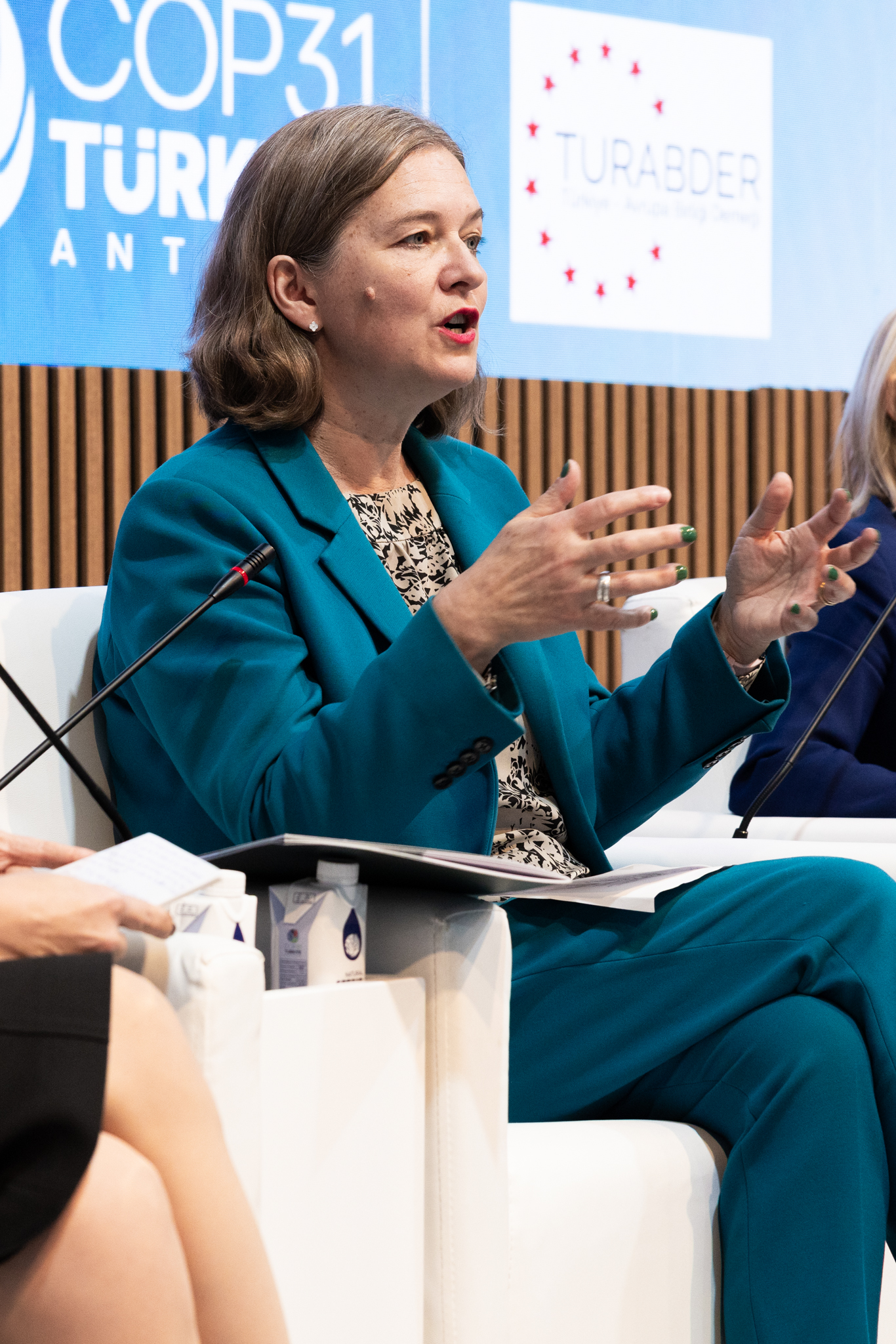
Pointing out that temperatures rise even further in London’s densely built-up areas, Anderson said: “We are absolutely not prepared for this in London. We need to adapt to this new reality very quickly.”
Anderson said that the cross-party parliamentary group on the environment, which she chairs, had prepared a report on extreme weather events, floods, fires, and food security. She stressed the need for government agencies to work in a more coordinated way.
“This does not necessarily mean new laws or policies. Existing policies need to be brought together, and government departments need to communicate better with one another,” Anderson said.
She also stated that local authorities should prioritize tree planting, urban cooling, and the protection of soil health in agricultural areas in their planning processes.
Aurora Floridia: “The Right to Live in a Healthy Environment Must Be Guaranteed”
Italian Senator Aurora Floridia stressed the importance of international parliamentary cooperation, noting that the climate crisis knows no borders.
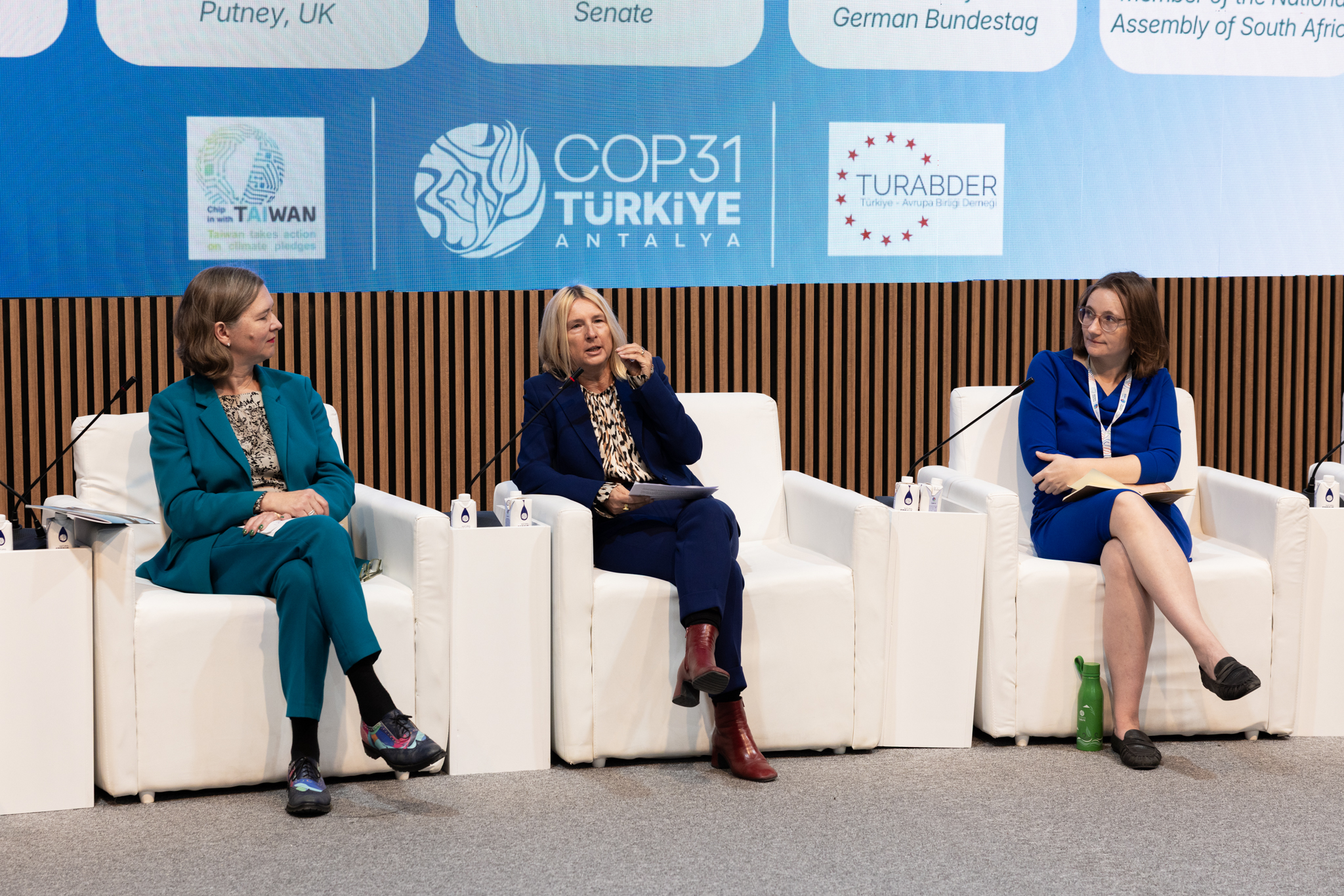
Referring to work carried out within the Council of Europe with its 46 member states, Floridia said young people should participate directly in the development of climate policies.
“Young people want to take an active part in climate action. They are demanding to be leaders of change,” Floridia said.
Floridia stated that draft resolutions prepared with young people’s contributions had highlighted the right to a clean, healthy, and sustainable environment, and argued that this right should be guaranteed through a binding international convention.
Noting that differences in environmental legislation among European countries weaken standards of protection, Floridia drew a parallel with women’s right to vote:
“One hundred years ago, women’s right to vote was not seen as an obvious right. Today, it is part of our democratic life. We want the right to live in a healthy environment to be accepted in the same way in the future.”
Lisa Badum: “We Must Make the Voices of Those Who Have Lost Their Lives to the Climate Crisis Heard”
Lisa Badum, Member of the German Bundestag, drew attention to deaths caused by extreme heat, saying that the effects of the climate crisis on human lives need to be made more visible.
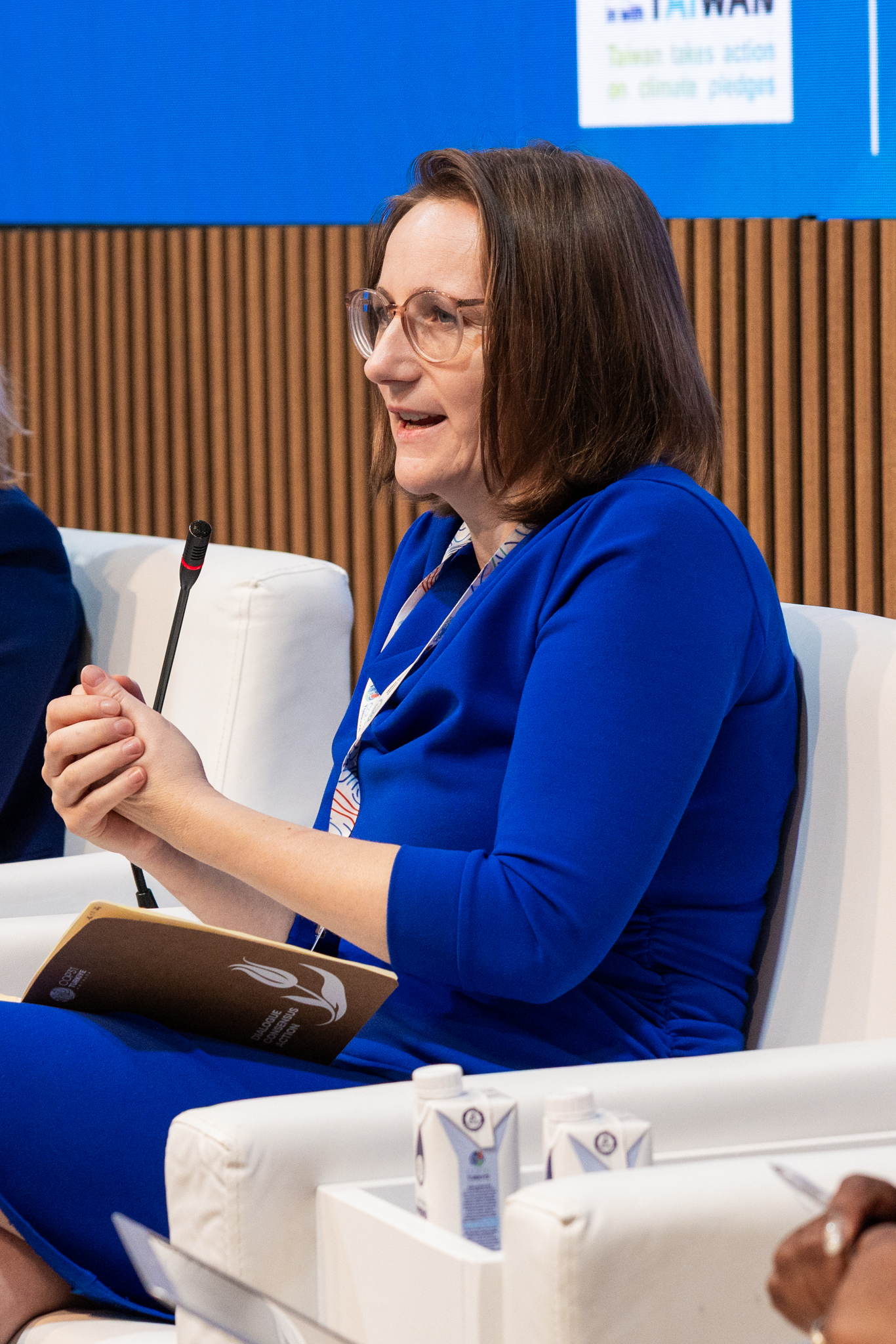
Badum stated that 15,000 people had died as a result of a heatwave in Germany and that the economic damage had reached approximately €36 billion.
Arguing that the consequences of the climate crisis are not being taken seriously enough, Badum said: “We need to give a face and a name to the people who have lost their lives because of the climate crisis.”
Badum explained that Germany’s Green Party, currently in opposition, is working to strengthen renewable energy legislation. She noted that mayors, businesses, and different sections of society are calling for more ambitious climate policies.
Emphasizing that preventive measures cost less than the losses caused by disasters, Badum said that hospitals, schools, nurseries, and care homes for older people in particular need protection against extreme heat.
“Every country can have a national heat protection plan. If we invest now, we can protect people much better next summer,” Badum said.
South African MP Dr. Lilian Managa: “We Must Act in Advance in Response to Scientific Warnings”
Dr. Lilian Managa, Member of the National Assembly of South Africa, shared lessons learned from the devastating floods in her country.
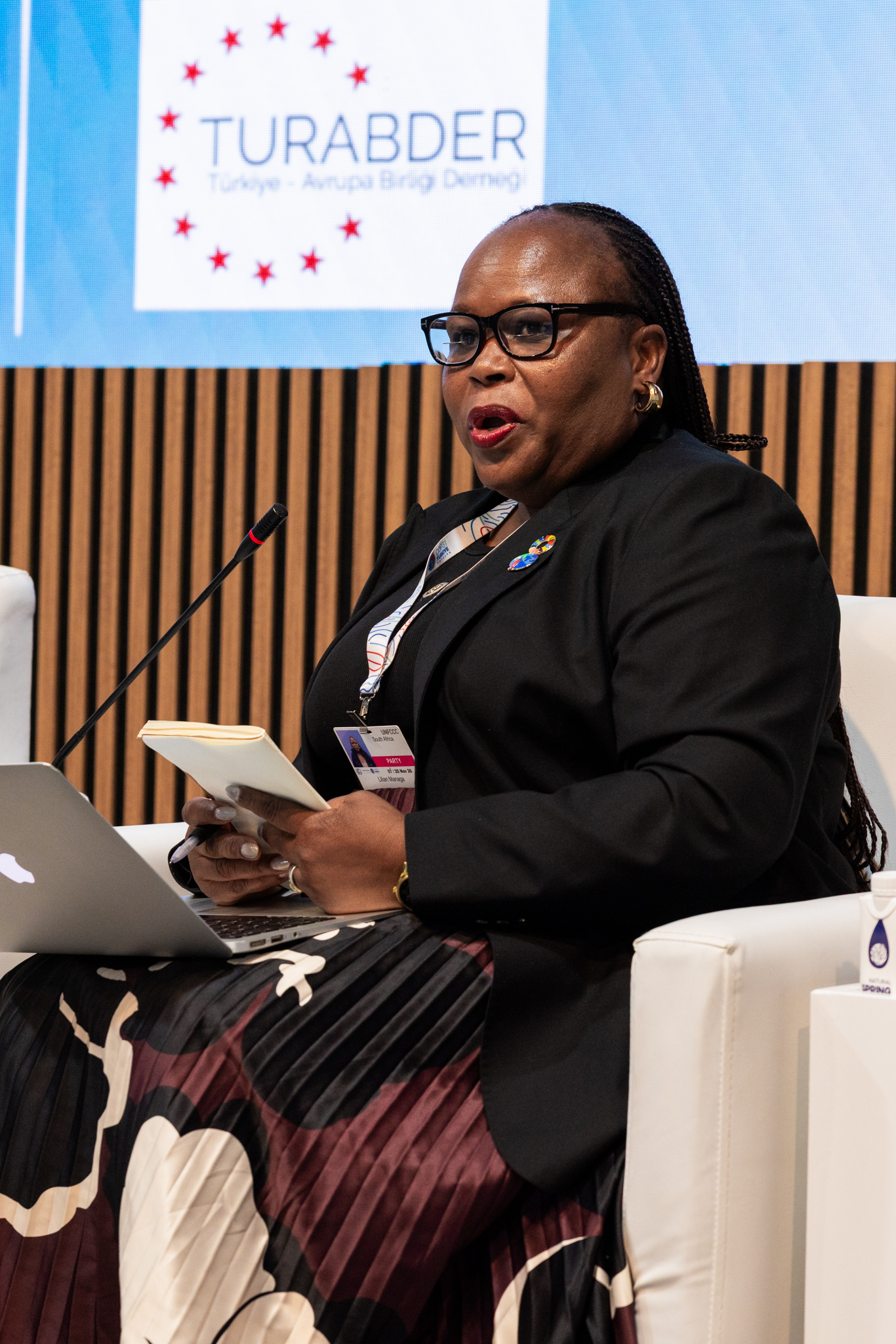
Managa noted that the floods in KwaZulu-Natal, Mpumalanga, and Limpopo in 2022 had caused widespread devastation, underscoring the importance of disaster-resilient construction and early preventive measures.
She stated that South Africa has climate and disaster management laws, but that these laws must be implemented effectively in line with scientific warnings.
“Whatever warnings scientists give, whatever steps governments take, we as lawmakers must act in advance,” Managa said.
Managa stated that, when a disaster risk emerges, people must be evacuated before lives are lost, emphasizing that parliaments and governments have a responsibility to act before a crisis occurs.
Zambian National Assembly Speaker Nelly Mutti: “We Must Legislate Before a Crisis Occurs”
Nelly Mutti, Speaker of the National Assembly of Zambia, addressed the event and highlighted the preventive role of parliaments based on her country’s experience of drought.
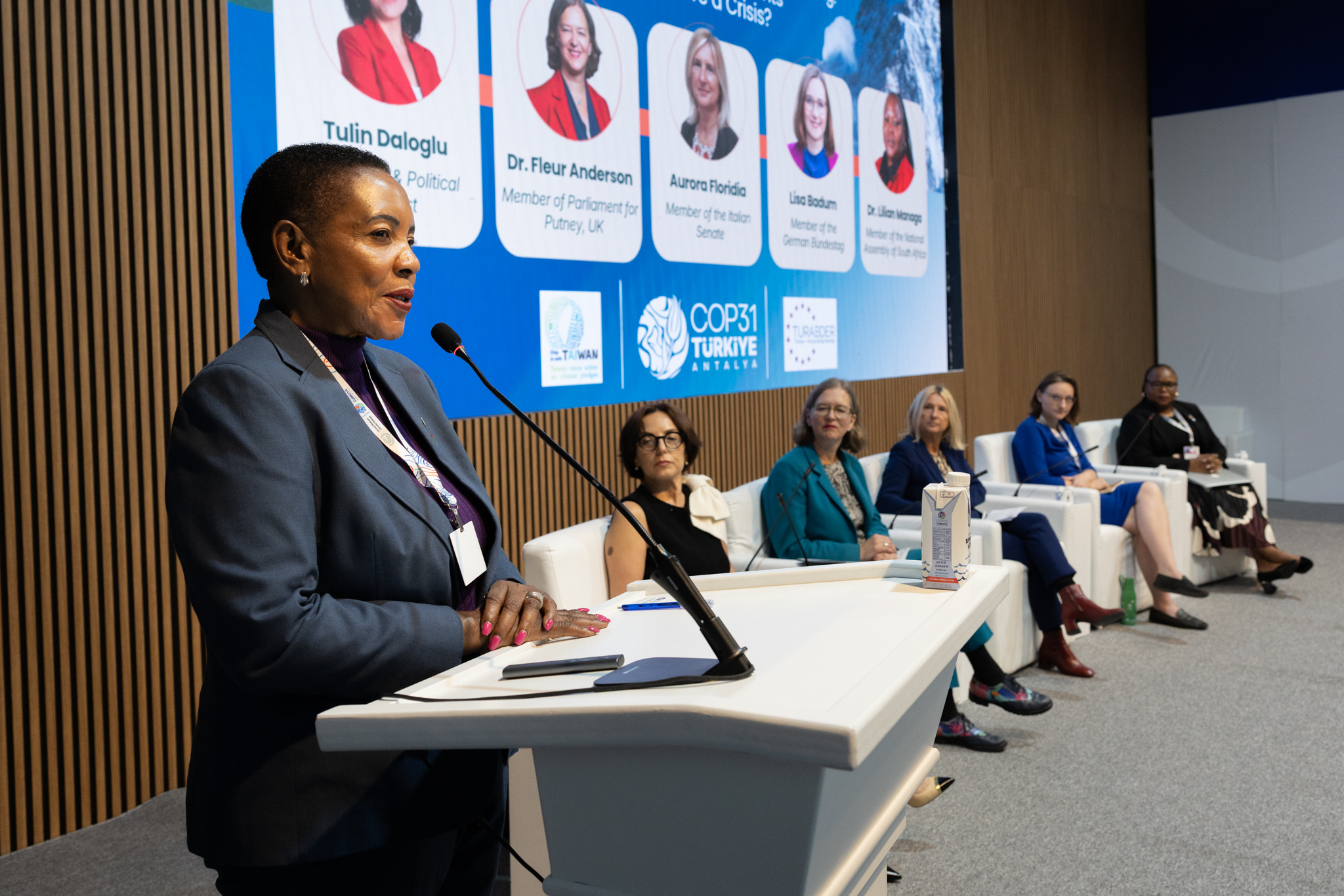
“What matters to us is acting in advance rather than responding to crises. As the National Assembly, we must prepare laws before a crisis occurs,” Mutti said.
Mutti stated that severe drought in 2023–2024 had resulted in the loss of approximately one million hectares of maize-growing land in Zambia, demonstrating the importance of early warning systems and technological preparedness.
Referring to the Green Economy Act adopted in Zambia, Mutti said that investment in solar power had increased and that the country was targeting 10,000 megawatts of solar power generation.
Mutti stated that solar-powered irrigation systems provide support particularly to women, young people, persons with disabilities, and rural communities, and that these investments will help sustain agricultural production in the face of drought.
Highlighting the oversight responsibility of parliaments, Mutti said: “If we as the National Assembly simply sit and wait for the government to bring forward a bill, sometimes those bills never come. That is why, through our committees, we must call on ministers to take action.”
Emphasis on Sharing International Experience
The event, which attracted considerable interest from participants, underscored the need for parliaments to act early in response to the climate crisis by heeding scientific warnings, to implement existing laws effectively, and to strengthen preventive policies aimed particularly at protecting vulnerable groups.