
Artificial Snow: A Costly Fix for a Warming Winter Tourism Industry
As rising temperatures continue to reshape winter landscapes, artificial snow is becoming increasingly essential for ski resorts—yet its environmental and economic costs are raising serious concerns.
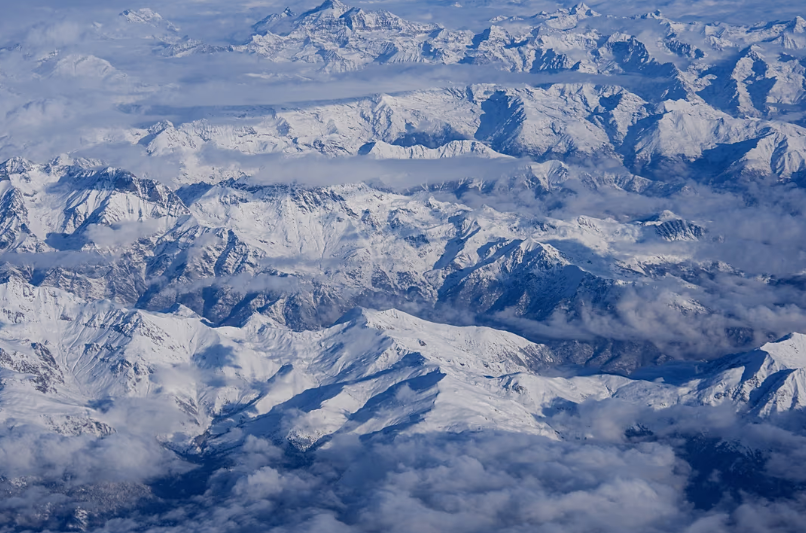
The 2026 Winter Olympics in Milan-Cortina have reignited this debate. While widely regarded as a successful event, the use of approximately 1.6 million cubic metres of artificial snow—equivalent to around 640 Olympic-sized swimming pools—has drawn criticism and highlighted the scale of reliance on this technology.
A Future Dependent on Artificial Snow
Climate projections suggest that snowfall in the Alps could decline by 25% to 45% by the end of the century. As a result, artificial snow may become unavoidable across most ski resorts in the region.
Research indicates that by 2050, resorts located below 1,200 metres could face winters with little to no natural snow. Already, dependence on artificial snow is widespread: around 90% of ski resorts in Italy rely on it, compared to 70% in Austria and over half in Switzerland.
What was once considered a temporary solution has now become a structural necessity, enabling resorts to maintain operations even during low-snow seasons.
Environmental Costs: Water, Energy, and Ecosystems
Producing artificial snow requires vast amounts of water and energy. Covering just one hectare of land with 30 centimetres of artificial snow demands around 1,000 cubic metres of water—the equivalent of roughly 20 backyard swimming pools.
This water is often extracted from rivers and lakes or stored in artificial reservoirs, which can disrupt local ecosystems and require extensive land modification. In Italy alone, more than 140 artificial basins have been constructed to support snow production.
Artificial snow also differs physically from natural snow. Being denser and slower to melt, it can compact soil and delay plant growth, affecting local biodiversity.
A Growing Carbon Footprint
The energy required to produce artificial snow contributes to greenhouse gas emissions. In Italy, emissions linked to snowmaking electricity use have already reached tens of thousands of tonnes of CO₂ equivalent.
As temperatures rise, even more energy will be needed to produce sufficient snow, further increasing emissions—creating a feedback loop that exacerbates the very problem it aims to address.
Rising Costs for Resorts
Beyond environmental concerns, the financial burden is significant. Producing artificial snow costs between €3.50 and €5 per cubic metre, making it an expensive necessity for ski operators.
Despite these costs, the winter tourism industry continues to grow globally, with demand projected to rise in the coming years.
A Sustainability Paradox
Experts describe artificial snow as a clear example of the tension between short-term adaptation and long-term sustainability. While it allows ski resorts to remain operational in the face of climate change, it also consumes large amounts of resources and contributes to emissions.
As one researcher notes, such technologies may solve local problems in the short term but risk intensifying global environmental challenges.
An Uncertain Future for Winter Sports
Even high-altitude glaciers—once considered reliable—are under threat. Some, like Italy’s Marmolada Glacier, could disappear entirely within decades.
Ultimately, artificial snow may extend the life of winter tourism, but it cannot fully offset the impacts of a warming climate. As temperatures continue to rise, the question is not only how long ski seasons can be preserved—but at what environmental cost.