
Climate Change Doubles Drought Risk in Sicily and Sardinia
"Record-high temperatures and low rainfall devastate agriculture and tourism, with economic losses in Sicily alone estimated at €2.7 billion."
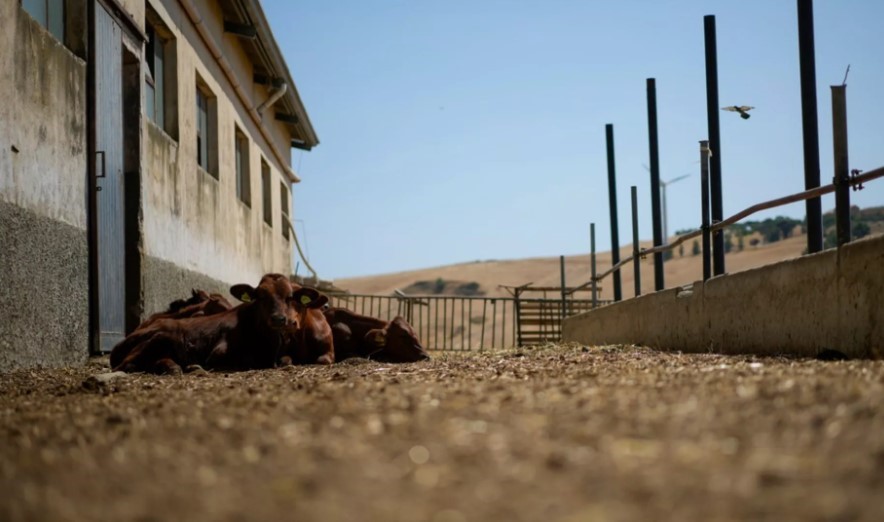
Sicily and Sardinia are currently facing crippling droughts, which have been made twice as likely due to human-caused climate change, according to a study by World Weather Attribution (WWA). These droughts have resulted from exceptionally low rainfall and record-high temperatures over the past year, prompting the Italian government to declare a state of emergency for the two islands. The situation is particularly dire for agriculture and tourism, which are vital to the economies of both regions.
Impact on Agriculture and Tourism
The prolonged droughts have devastated key crops such as wheat and olives, essential to the Mediterranean diet. In Sicily, wheat yields have plummeted, leading to severe economic losses, and farmers have been forced to slaughter animals prematurely due to insufficient grazing land. The situation has been similarly challenging in Sardinia, where scorching temperatures exceeding 40°C have decimated crops. As of July, the economic damage in Sicily alone has been estimated at €2.7 billion.
The drought's effects have been exacerbated by water shortages, with reservoirs nearly empty despite water rationing that began in February. Both islands face the prospect of worsening water supply issues and further agricultural losses as the drought continues into the end of summer.
Need for Mitigation and Adaptation
Experts warn that as global temperatures rise, droughts will become more frequent and intense, especially in regions like the Mediterranean. Mitigating climate change through reducing global warming is critical to prevent these droughts from becoming a permanent feature. However, adaptation measures are equally essential.
Investing in resilient infrastructure and improving water conservation are key adaptation strategies. This includes fixing aging, leaky water pipes and increasing storage capacity to minimize water shortages during dry spells. Italy, alongside other Mediterranean countries, recently committed to developing more water-saving technologies during the Med9 meeting in Cyprus.
Without concerted efforts to mitigate and adapt to climate change, the devastating effects of droughts will continue to take a toll on agriculture, tourism, and the overall economy of regions like Sicily and Sardinia.