
Climate Change Linked to Rising Mental Health Crisis Among Youth in Vulnerable Regions
A new study conducted in Madagascar has found that climate change is significantly affecting the mental health of young people living in some of the world’s most climate-exposed areas, with high levels of anxiety, depression, and distress reported among adolescents.
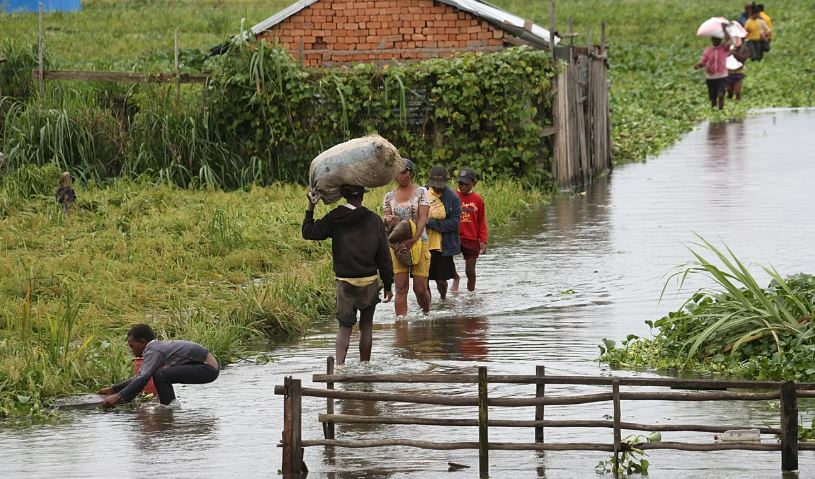
Research published in the Journal of Climate Change and Health highlights how environmental pressures are shaping the well-being of youth in southern Madagascar, particularly in rural communities where the impacts of global warming are most severe. The authors are calling for mental health services to be integrated into climate adaptation strategies to better support young people facing increasingly uncertain futures.
Dr Nambinina Rasolomalala, a co-author of the study from the Catholic University of Madagascar, described the harsh realities confronting adolescents in the Androy region. She said many are growing up amid famine conditions, persistent drought, and sandstorms, with limited access to food and water. As a result, some are forced to migrate in search of survival, while those who remain often endure hunger, disrupted education, and psychological distress.
Severe Emotional Impact Documented
While the physical health risks of climate change are widely recognized, the study points out that its psychological consequences—particularly in low- and middle-income countries—have received far less attention.
The research, led by institutions including Trinity College Dublin, University College London, Queen Mary University of London, and CBM Global, combined survey responses from 83 adolescents with in-depth discussions involving 48 participants across six villages in March 2024.
Findings show that many young people experience overwhelming anxiety about climate change, alongside feelings of helplessness and despair. Some participants expressed a profound sense of hopelessness, with statements reflecting an inability to envision a positive future or find happiness.
Beyond Environmental Damage
Lead author Dr Kristin Hadfield from Trinity College Dublin emphasized that the findings demonstrate climate change is not only an environmental crisis but also a growing mental health emergency. She noted that adolescents in southern Madagascar are already living with the daily consequences of climate disruption, unlike their counterparts in wealthier countries, where concerns often center on future risks.
According to Hadfield, ongoing stressors—such as repeated crop failures and water shortages—are having a continuous psychological impact, rather than being limited to isolated extreme events.
Food Insecurity and Uncertainty Driving Distress
The study identified three key factors contributing to declining mental health among adolescents: loss of essential household resources, uncertainty about the future, and the breakdown of traditional coping mechanisms.
Food shortages emerged as a critical issue. Data showed that 90 percent of households had exhausted their food supplies at some point خلال the past year, while more than two-thirds of surveyed adolescents reported going an entire day without eating. Many respondents also spoke about witnessing deaths in their communities due to starvation.
Young people described living under constant strain, with some recounting the effects of extreme heat and lack of water, further compounding their distress.
Call for Integrated Support Systems
Researchers stress that these findings highlight the urgent need to address the psychological dimensions of climate change, particularly in regions already facing severe environmental challenges.
Professor Isabelle Mareschal of Queen Mary University of London said the study underscores the importance of preparing not only for the physical but also the mental health consequences of climate change. She expressed hope that the research will guide the development of targeted interventions aimed at improving outcomes for vulnerable populations, especially young people.
The study focuses on Madagascar’s Grand Sud region, an area that has experienced extreme climate impacts in recent years, including a famine in 2021 that some experts have described as one of the first driven primarily by climate change.