
Climate Stress Hits UNESCO Site: Germany’s Sanssouci Park Faces Rapid Tree Decline
A historic UNESCO World Heritage site in Germany, the Sanssouci Park in Potsdam, is facing increasing ecological stress as climate change accelerates tree loss across the landscape.
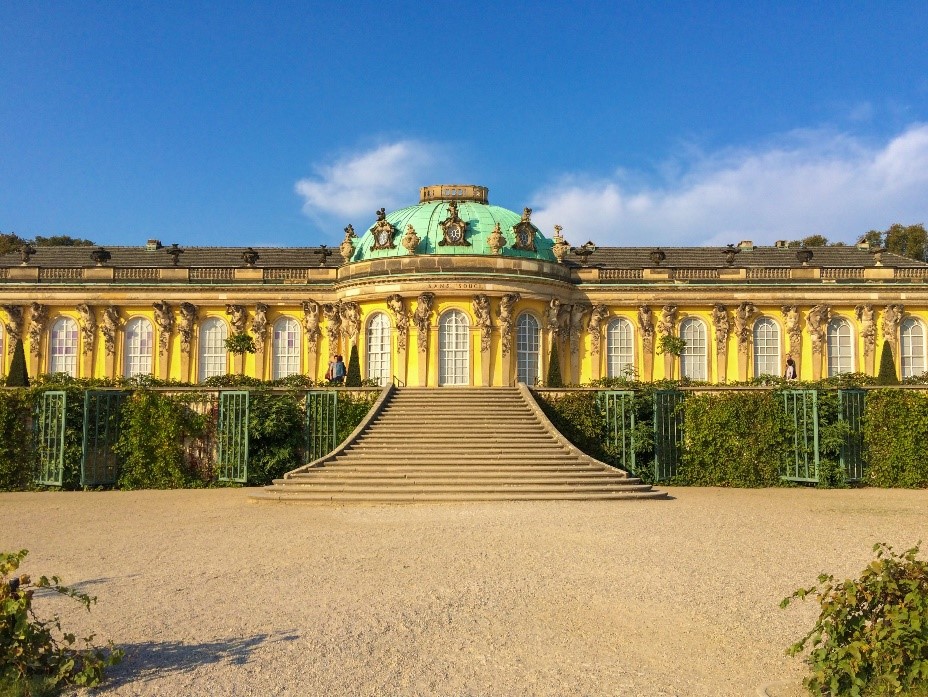
The park surrounding Sanssouci Palace, once designed as a symbol of beauty and leisure, is now showing visible signs of environmental strain. Trees across the 300-hectare site are increasingly suffering from thinning canopies, broken branches, and peeling bark.
Former chief gardener Sven Kerschek says the changes have become especially severe since 2017–2018, when prolonged heat and drought conditions began to take a lasting toll. Although some wetter years have followed, they have not reversed the damage.
Experts say the issue is not caused by heat alone. Reduced humidity, soil moisture loss, stronger storms, fungal infections, and the spread of new insect species are all contributing to tree decline. Even trees near water sources are showing signs of stress.
Tree mortality in the park has risen sharply over the past two decades, with annual losses exceeding 100 trees since 2015 and peaking at 315 in 2020, according to park records.
The Prussian Palaces and Gardens Foundation has launched an open-air exhibition titled “Re:Generation” to highlight the damage and raise awareness among visitors. Curator Katrin Schröder notes that climate impacts are now visible even in carefully protected cultural landscapes like Sanssouci.
Some trees show signs of extreme stress, including “sunburn,” drying bark, and increased vulnerability to fungi and pests. However, a few resilient specimens are being studied as potential “survival trees” that could help guide future conservation strategies.
Gardeners are now exploring adaptive approaches, including collecting seeds from resilient trees and cultivating them under controlled conditions that mimic harsher environmental stress.
While some suggest introducing more climate-resilient species, conservation experts emphasize that the park must preserve its historical identity. Species from regions with similar climate conditions, such as parts of southeastern Europe, may be considered only if they maintain the park’s traditional appearance.
Despite these challenges, staff remain hopeful that careful management and adaptation strategies can help preserve this centuries-old cultural landscape for future generations.