
Coffee Under Pressure: Climate Change Threatens Harvests and Farmers’ Livelihoods
Rising global temperatures are putting the world’s coffee supply at risk, as farmers across key producing regions struggle to cope with increasingly frequent and intense heat. Experts warn that climate change—driven largely by fossil fuel emissions—is already reducing yields and pushing prices higher for consumers.
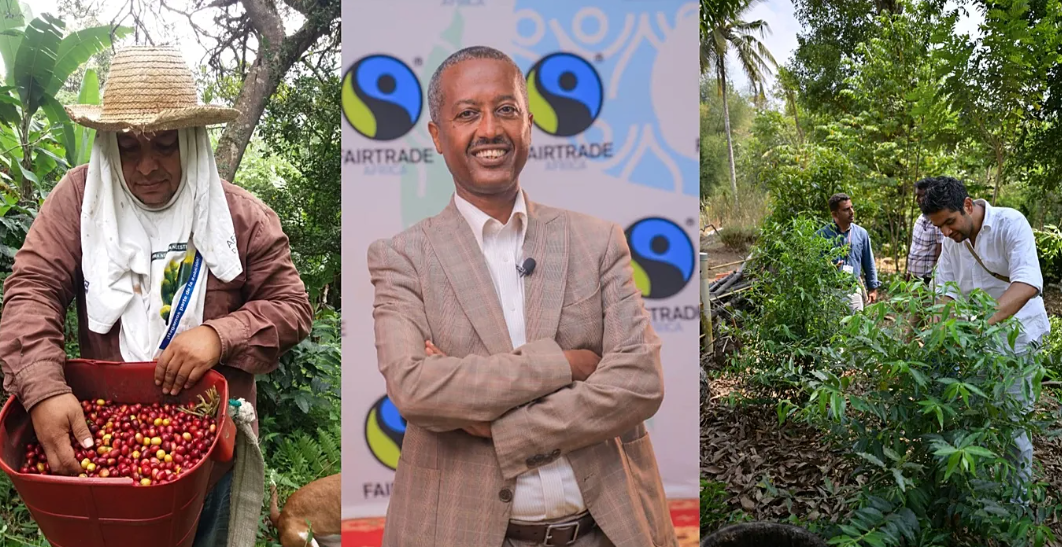
New analysis by Climate Central shows that between 2021 and 2025, global warming has pushed temperatures beyond the critical 30°C threshold—levels at which coffee plants begin to suffer heat stress—in major coffee-growing regions.
More Heat, Less Coffee
The world’s top five coffee producers—Brazil, Colombia, Ethiopia, Indonesia, and Vietnam—have each experienced an additional 57 days of harmful heat per year due to climate change. Together, these countries account for roughly three-quarters of global coffee production.
When temperatures exceed 30°C, coffee plants become more vulnerable to disease, produce fewer beans, and deliver lower-quality harvests. This combination of reduced supply and declining quality is already contributing to rising global coffee prices.
Small Farmers Hit the Hardest
The burden falls disproportionately on smallholder farmers, who make up about 80% of global coffee producers. Despite being the most exposed to climate risks, they receive only a fraction of the funding needed to adapt.
Estimates suggest that adapting a one-hectare coffee farm costs just over $2 per day—less than the price of a cup of coffee in many countries—yet financial support remains extremely limited.
A Ripple Effect on Global Food Systems
Experts warn that the impacts extend beyond coffee farms. As climate pressures reduce yields and disrupt supply chains, consumers worldwide may face higher prices and changing product quality.
Researchers also stress that coffee is just one example—similar patterns are emerging across other crops, pointing to broader risks for global food security.
Farmers on the Front Line
Farmers in major coffee-producing regions are already witnessing these changes firsthand.
In Ethiopia, producers report that higher temperatures and increased exposure to sunlight are weakening coffee plants and increasing disease risks. Local cooperatives are responding by promoting sustainable practices, such as protecting forest cover and distributing energy-efficient stoves to reduce deforestation.
In Colombia, farmers are facing a combination of heat, drought, and erratic rainfall. Some are shifting away from monoculture farming toward more diverse, nature-based approaches, including planting shade trees to protect crops and stabilize yields.
Meanwhile, in India’s Western Ghats, growers are dealing with unpredictable weather patterns that disrupt flowering cycles and reduce crop quality. Warmer nights and faster soil moisture loss are further complicating cultivation.
Adapting to a Changing Climate
Producers are increasingly turning to adaptive strategies such as improved shade management, soil conservation, and water efficiency. However, these measures require investment, coordination, and long-term planning.
Farmers emphasize that without stronger government support and international funding, scaling up these solutions will be difficult.
A Fragile Balance
Coffee cultivation depends on a delicate balance of temperature, moisture, and environmental conditions. As climate change narrows this balance, the future of coffee production becomes more uncertain.
The situation serves as a clear example of how global warming is not only an environmental issue but also an economic and social challenge—affecting livelihoods, supply chains, and everyday consumption around the world.