
Deadliest Climate Disasters of 2025 Expose Deep Inequalities, with Women and the Poor Most Affected
A new scientific assessment has revealed that the most severe climate-related disasters of 2025 have disproportionately impacted women and low-income communities, underscoring widening inequalities in the face of global warming.
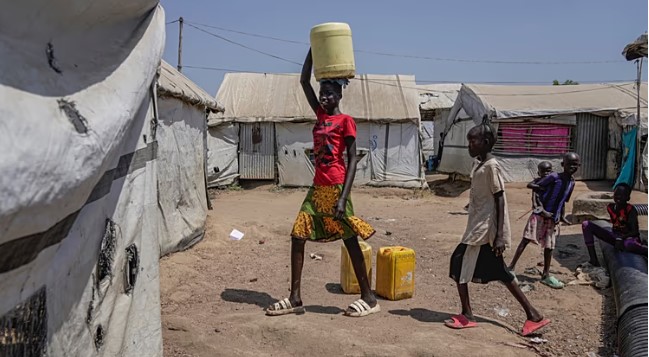
According to a report by World Weather Attribution (WWA), extreme weather events over the past year have placed an “unequal burden” on vulnerable populations. The study examined 22 climate-driven disasters worldwide, concluding that rising greenhouse gas emissions continue to intensify both the frequency and severity of such events.
Extreme Heat Emerges as a Silent Killer
Although 2025 is not expected to surpass 2024 as the hottest year on record, extreme heat has remained one of the deadliest climate threats. Unlike storms or floods, which cause visible destruction, heatwaves often result in less immediately visible but far-reaching consequences.
This summer alone, more than 24,000 deaths in Europe have been linked to extreme heat. However, experts warn that the real number is likely significantly higher, as heat-related fatalities are frequently recorded under pre-existing medical conditions rather than as direct causes.
Women Face Disproportionate Risks
The report highlights how climate impacts are not evenly distributed. In South Sudan, a severe heatwave earlier this year forced school closures and led to widespread cases of heatstroke among children. With temperatures exceeding 40°C, daily life became increasingly dangerous—especially for women.
Many homes lack basic cooling systems, electricity, or reliable access to clean water, making it difficult for residents to follow safety advice such as staying cool and hydrated. Women, who are often engaged in agriculture or informal outdoor work like street vending, face prolonged exposure to extreme heat.
In addition, women in South Sudan spend a significant portion of their time on unpaid domestic responsibilities, including cooking and water collection—tasks that further increase their exposure to high temperatures. These conditions heighten long-term health risks, including cardiovascular stress, kidney damage, and chronic heat-related illnesses.
The report also notes that climate impacts extend into education. Prolonged school closures due to extreme weather disrupt learning and can reinforce existing gender inequalities, increasing the likelihood of girls dropping out or being pushed into early marriage.
Gaps in Climate Science Reflect Global Inequality
Beyond immediate impacts, the study draws attention to structural inequalities within climate research itself. Many of the analyzed disasters occurred in countries across Africa, Asia, and Latin America—regions often referred to as the Global South.
Researchers found that limited observational data in these regions makes it more difficult to accurately assess climate impacts. Existing climate models, largely developed using data from wealthier countries in the Global North, may not fully capture the realities faced by more vulnerable populations.
This imbalance, the report argues, reflects broader systemic inequalities embedded within the global response to climate change.
Urgent Call to Move Beyond Fossil Fuels
The findings reinforce the urgent need for both mitigation and adaptation strategies. WWA stresses that reducing reliance on fossil fuels is critical, as they remain the primary driver of global warming—responsible for the majority of greenhouse gas and carbon dioxide emissions.
While adaptation measures such as early warning systems and infrastructure improvements are essential, the report cautions that they are not sufficient on their own. Even well-prepared regions, including small island states in the Caribbean, continue to suffer significant losses during extreme weather events.
Ultimately, the report concludes that without rapid and substantial reductions in emissions, the world will face increasingly severe and unequal climate impacts in the years ahead.