
‘Emotional Traps’ and Fake Experts: How to Recognise Climate Disinformation in 2026
As climate change intensifies, so too does the spread of misleading information online. In response, the European Union has stepped up efforts to combat climate disinformation, backing a major international declaration aimed at protecting factual, science-based debate.
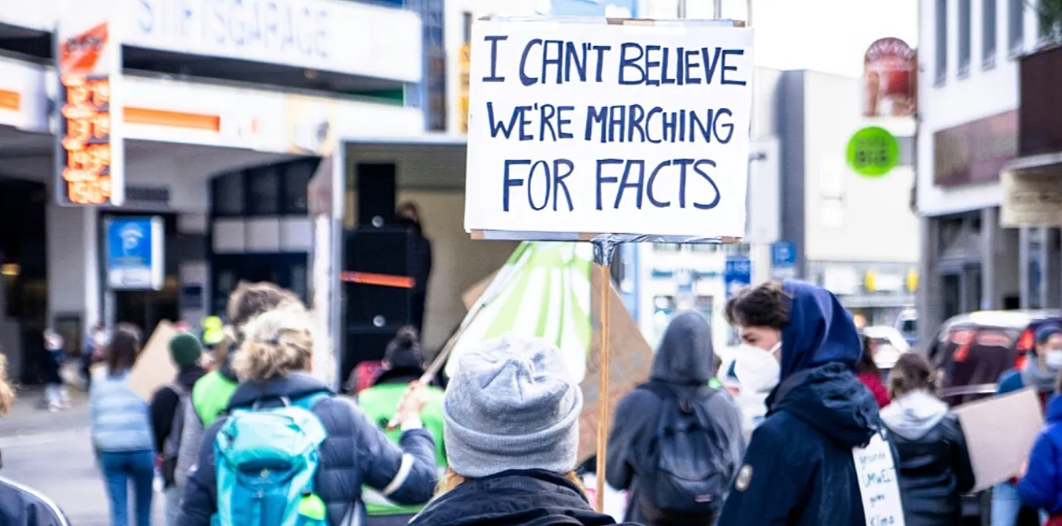
The Declaration on Information Integrity on Climate Change, launched at the COP30 summit in Belém, reflects a growing push to counter false narratives and ensure that public discussions are grounded in evidence. The EU formally endorsed the initiative in early 2026, following support from several member states.
A Growing Information Challenge
Navigating climate information has become increasingly difficult for the public. Surveys show that many Europeans struggle to identify trustworthy sources, particularly on social media, while confidence in traditional media is also under pressure.
This environment has created fertile ground for climate disinformation—defined as the deliberate spread of false or misleading claims about climate science or policy.
Disinformation vs Misinformation
Experts distinguish between disinformation and misinformation. Disinformation involves intentional deception, including conspiracy theories or outright denial of climate change. Misinformation, by contrast, refers to inaccurate or misleading content shared without intent to deceive.
Both, however, can distort public understanding and delay effective climate action.
Common Tactics Used to Mislead
To help people better identify misleading content, the European Commission has launched awareness campaigns highlighting the most common tactics used in climate disinformation.
One key method is selective use of data. Misleading claims often rely on cherry-picked information that ignores the broader scientific consensus. Checking multiple credible sources is essential to verify accuracy.
Another widespread tactic involves so-called “fake experts.” Individuals may present themselves as authorities despite lacking relevant expertise. Investigations have revealed cases where media outlets even cited fabricated or AI-generated experts, underscoring the need for careful source verification.
The Power of Emotional Manipulation
Disinformation frequently uses emotionally charged language to provoke strong reactions such as fear or anger. These “emotional traps” are designed to bypass critical thinking and encourage rapid sharing.
Experts advise pausing before reacting to such content and verifying claims through trusted, independent sources.
Beware of ‘Easy Solutions’
Climate change is a complex, systemic issue. Claims offering quick or effortless fixes should be treated with caution. Simplistic solutions often overlook the scale of transformation required, particularly the need to transition away from fossil fuels.
The Rise of AI-Generated Content
Advances in artificial intelligence have made it easier than ever to create convincing fake images and content. Users are encouraged to scrutinize visuals carefully, look for inconsistencies, and use tools such as reverse image searches when in doubt.
Strengthening Public Awareness
EU officials stress that informed public debate is essential to tackling the climate crisis effectively. Combating disinformation is therefore not only about correcting false claims but also about strengthening trust in science and evidence-based policymaking.
As climate risks grow, so does the importance of reliable information—making media literacy and critical thinking key tools in the global response to climate change.