
Europe’s Extreme Weather in 2025: From Deadly Heatwaves to Devastating Floods
Europe faced a year of relentless and destructive weather in 2025, as extreme climate events caused widespread loss of life, economic disruption, and lasting environmental damage. From flash floods to record-breaking heatwaves, the continent experienced a series of crises that experts warn could soon become routine.
A Year Marked by Climate Extremes
Scenes of people stranded on treetops, homes collapsing under floodwaters, and streets turning into rivers of mud were not distant forecasts—they were the reality across Europe this year. Extreme weather events, including floods, droughts, wildfires, and heatwaves, defined 2025 and left many regions struggling to recover.
Scientists caution that without significant reductions in greenhouse gas emissions, such events are likely to intensify and become more frequent.
The Role of Climate Change
Although no single weather event can be attributed solely to climate change, researchers agree that rising global temperatures are amplifying their severity. Warmer air holds more moisture—approximately 7% more for every 1°C increase—leading to heavier rainfall and more intense storms.
At the same time, higher baseline temperatures are driving more frequent and severe heatwaves, fundamentally altering Europe’s climate patterns.
From Winter Storms to Summer Heatwaves
The year began with powerful storms sweeping across France, where wind speeds reached up to 110 km/h in northern regions. By spring, severe weather had spread across the continent. Spain faced evacuations due to Storm Martinho, while Romania experienced its worst flooding in decades, damaging infrastructure and displacing hundreds.
However, it was the summer that proved most devastating. Record-breaking heat spread across Europe, even reaching the Arctic Circle, where temperatures exceeded 30°C for nearly two weeks—an unprecedented event. Finland endured prolonged heatwaves, overwhelming healthcare systems and raising concerns about wildlife survival.
In southern Europe, temperatures soared above 40°C, triggering droughts, wildfires, and public health emergencies. Governments implemented emergency measures, including restricting outdoor work, opening cooling centers, and issuing health warnings. Despite these efforts, fatalities mounted.
One widely reported case was that of a street cleaner in Barcelona who collapsed during extreme heat, sparking protests and renewed debate over worker safety in high temperatures.
Thousands of Heat-Related Deaths
A comprehensive study covering 854 European cities estimated that approximately 24,400 people died due to extreme heat during the summer. Researchers concluded that climate change was responsible for 68% of these deaths, having increased temperatures by as much as 3.6°C.
Countries most affected by individual heatwaves included Romania, Bulgaria, Greece, and Cyprus, while cities such as Rome, Athens, and Bucharest recorded the highest mortality rates relative to population.
Italy recorded the highest total number of heat-related deaths, followed by Spain, Germany, and France.
Wildfires and Environmental Damage
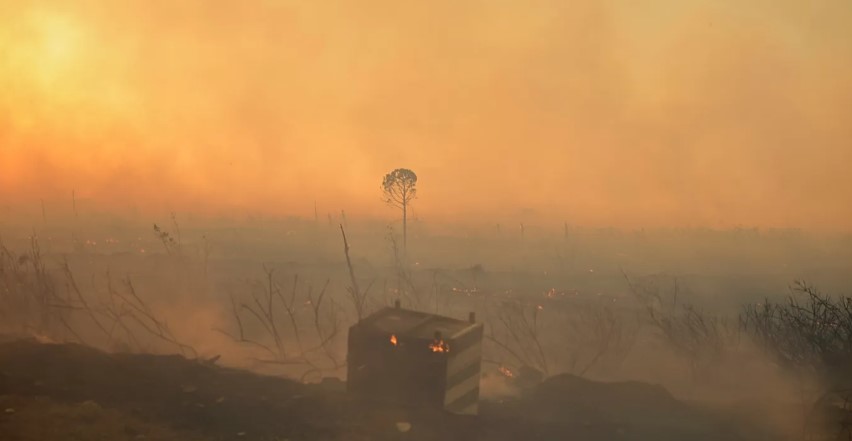
Wildfires intensified across southern Europe, particularly in Spain and Portugal. Climate change made the conditions driving these fires significantly more likely. Spain alone saw more than 380,000 hectares burned—nearly five times its annual average—while Portugal lost around 260,000 hectares.
These fires forced mass evacuations and caused fatalities, further compounding the year’s climate toll.
Economic Consequences Mount
The financial cost of Europe’s extreme weather has been substantial. Immediate losses are estimated at €43 billion, with projections suggesting total damages could reach €126 billion by 2029.
A study involving the European Central Bank found that nearly a quarter of EU regions were affected by climate extremes during the summer alone. Italy, Spain, and France were among the hardest-hit economies, each facing billions in damages and long-term recovery costs.
What Lies Ahead
As Europe continues to recover, scientists warn that the outlook remains troubling. Forecasts suggest that 2026 could rank among the hottest years on record, continuing a trend of rising global temperatures.
Experts stress that without decisive action to reduce emissions and strengthen climate resilience, the extreme weather witnessed in 2025 may not be an anomaly—but a preview of the future.