
Extreme Heat Is Putting Pregnant Women at Risk, Scientists Warn
Rising global temperatures are posing increasing risks to pregnant women and their unborn children, with new research highlighting the urgent need for targeted protections.
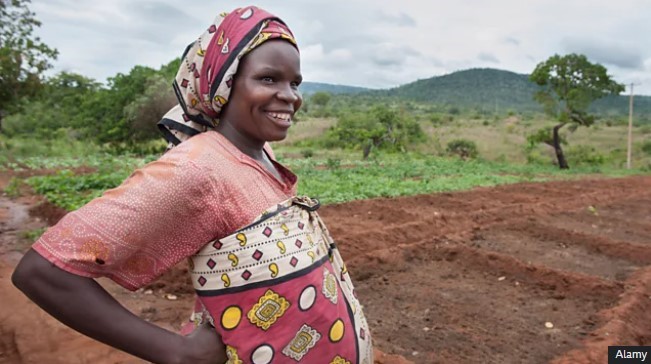
In regions like rural Gambia, midwives are witnessing the effects firsthand. Edrisa Sinjanka, working in Keneba, reports that many pregnant women arrive dehydrated, exhausted, and suffering from heat-related symptoms. Some cases have even involved stillbirths, raising concerns about the role of extreme heat.
This issue has prompted research led by Ana Bonell at the London School of Hygiene and Tropical Medicine. A study of 92 pregnant subsistence farmers found that for every 1°C rise in temperature, signs of fetal stress increased by 17%. These included elevated heart rates and reduced blood flow to the placenta.
Globally, temperatures have risen significantly, with some regions experiencing extreme heat above 45°C. Scientists say pregnant women are particularly vulnerable due to physiological changes that increase heat exposure. Evidence increasingly links heat stress to complications such as hypertension, preeclampsia, premature birth, and stillbirth.
Research cited by World Health Organization estimates that extreme heat can increase the risk of preterm birth by 16%. Additional studies have found a 10% rise in stillbirth risk for every 1°C increase above certain thresholds.
Despite growing scientific consensus, policy responses remain limited. According to Human Rights Watch, many countries still fail to include pregnant women in official heat safety guidelines, and only a small proportion of national climate plans address maternal and fetal health.
Experts argue that the focus must now shift from research to action. Nathaniel DeNicola of the Johns Hopkins Health System says there is already enough evidence to implement practical measures, such as reducing outdoor activity during peak heat and improving hydration.
In Africa, where warming has outpaced the global average, researchers are testing targeted interventions. Gloria Maimela of the University of the Witwatersrand is leading projects that aim to develop early warning systems and tailored guidance for pregnant women during heatwaves.
Meanwhile, in Kenya, researchers including Adelaide Lusambili are working to overcome cultural practices that increase heat exposure, such as wearing multiple layers during pregnancy and continuing heavy outdoor labour.
Efforts are also underway in the United States, where community-based programmes are helping vulnerable women cope with extreme heat through education and support.
Experts stress that as climate change intensifies, protecting pregnant women—especially those in low-income and high-risk environments—must become a global priority.