
Extreme Heat Linked to First Human Cluster of Bird Flu in the US
Extreme heat may be playing a critical role in the spread of bird flu among humans in the United States, as health officials investigate the country’s largest recorded cluster of human cases.
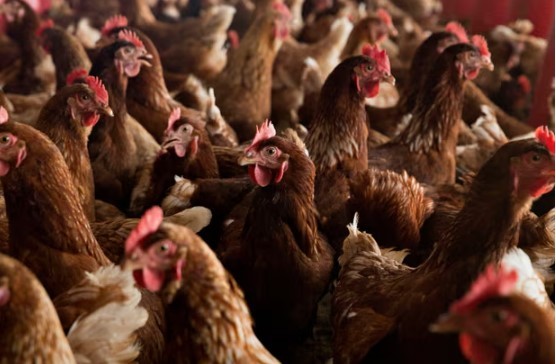
A recent heatwave in Colorado appears to have compromised the effectiveness of personal protective equipment (PPE) used by workers tasked with culling poultry संक्रमित with the H5N1 virus. According to authorities, at least four cases have been confirmed, with a fifth likely, marking the first known cluster of human bird flu infections in the US.
Workers operating in high-temperature environments—reaching up to 40°C outside and even higher inside poultry facilities—struggled to properly wear protective gear such as masks and goggles. Excessive sweating and strong ventilation systems made it difficult to maintain a proper seal, increasing the risk of exposure.
Officials from the Centers for Disease Control and Prevention (CDC) noted that airflow from industrial fans may have further contributed to spreading virus-carrying particles like feathers and dust.
Out of approximately 160 workers on the affected farm, around 60 developed symptoms, though only a small number tested positive for H5N1. Most cases showed mild symptoms, and no hospitalisations were required.
Experts warn that climate change—linked to more frequent and intense heatwaves—could be amplifying the spread of infectious diseases. Rising temperatures not only make working conditions more hazardous but also alter animal behaviour and migration patterns, potentially increasing the likelihood of viruses crossing between species.
Researchers also point to unusual environmental conditions, including shifting wind patterns, which may have enabled infected birds to travel longer distances than usual—contributing to the spread of H5N1 across continents.
Authorities continue efforts to contain the outbreak, including the culling of nearly 1.8 million chickens. Officials stress that stopping these operations could worsen the situation by prolonging human exposure and allowing the virus to spread further.
While the risk to the general public remains low, experts emphasize the need to integrate climate considerations into public health strategies, as changing environmental conditions may increasingly influence the emergence and spread of diseases.