
From Landmark Rulings to Clean Energy Growth: Climate Progress Stories from 2025
Amid a year dominated by climate anxiety and escalating environmental crises, 2025 also delivered a number of significant breakthroughs worth highlighting. While headlines often focus on worsening extreme weather and rising emissions, several key developments offered cautious optimism for the planet’s future.
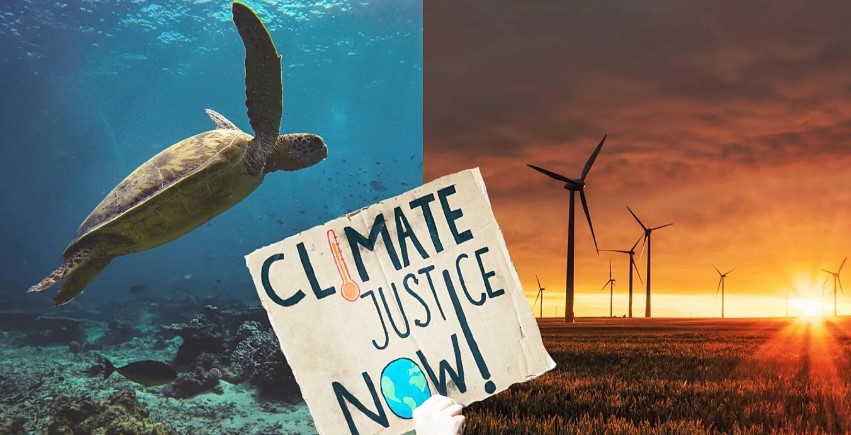
A Historic Legal Step Forward
One of the most notable milestones came in July, when the International Court of Justice (ICJ) issued a landmark advisory opinion on climate change. In a case involving more than 150 submissions, the court affirmed that access to a “clean, healthy and sustainable environment” should be considered a fundamental human right.
Although the ruling is not legally binding, it strengthens the legal framework for holding governments and major polluters accountable. It also builds on earlier precedents, such as the Urgenda case, which set a global example by compelling a government to adopt stronger climate policies.
At the same time, climate litigation gained momentum worldwide, with new cases emerging that seek to link corporate responsibility directly to climate-related damages.
Protecting the World’s Oceans
Another major development was progress on the High Seas Treaty. In May, the European Union and several member states formally ratified the agreement, marking a significant step toward safeguarding marine ecosystems beyond national jurisdictions.
These international waters, which cover nearly two-thirds of the world’s oceans, are increasingly threatened by pollution, overfishing, and climate change. The treaty enables the creation of marine protected areas and supports the global goal of conserving at least 30% of the oceans by 2030.
Renewable Energy Reaches New Heights
The global energy transition also accelerated in 2025. For the first time, electricity generated from renewable sources such as solar and wind surpassed that produced from coal.
Solar power led the surge, with generation increasing by more than 30% in the first half of the year. Falling costs—particularly in solar technology and battery storage—have made clean energy increasingly competitive with fossil fuels.
This rapid expansion signals a structural shift in the global energy system, even as political disagreements continue to slow down coordinated action on phasing out fossil fuels.
Economic Growth Without Rising Emissions
Another encouraging trend is the growing number of economies that are managing to expand without increasing their carbon footprint.
Recent analysis shows that the vast majority of global GDP is now produced in countries where emissions are either growing more slowly than economic output or declining altogether. Many European nations are leading this shift, demonstrating that economic development and climate action can go hand in hand.
This challenges the long-standing assumption that cutting emissions necessarily comes at the cost of economic growth.
Wildlife Recovery Offers Hope
Despite ongoing environmental pressures, conservation efforts are beginning to yield tangible results. In 2025, green sea turtles were reclassified from “endangered” to “least concern,” reflecting decades of sustained protection measures.
Their recovery has been driven by initiatives such as safeguarding nesting sites, reducing illegal harvesting, and minimizing accidental capture in fishing operations. The global population has risen significantly since the 1970s, illustrating the long-term impact of coordinated conservation strategies.
A Mixed but Hopeful Picture
While the broader climate outlook remains challenging, these developments highlight that meaningful progress is still possible. Legal innovation, technological advancement, and sustained conservation efforts are all contributing to a more hopeful narrative.
The challenge ahead will be scaling these successes rapidly enough to match the pace of the climate crisis.