
From Recovery to Resilience: How the US Is Rethinking Climate Disasters
As climate-driven disasters intensify across the United States, recovery efforts are increasingly shifting from rebuilding the past to preparing for a more extreme future.
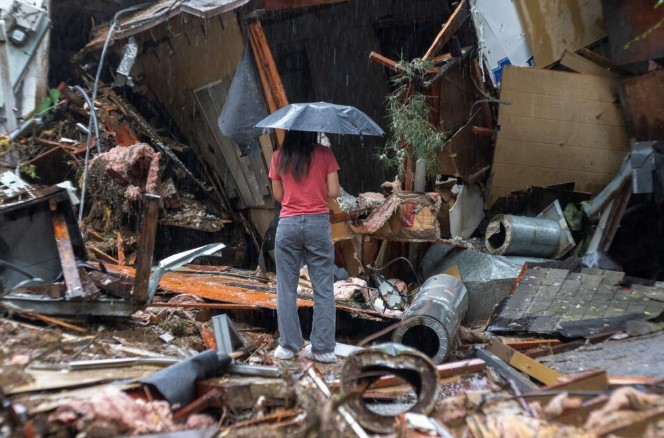
Recent events—from hurricanes in Texas to devastating wildfires in California—highlight a growing reality: states must not only recover from disasters but also strengthen resilience against those yet to come.
New federal policies led by the Federal Emergency Management Agency (FEMA) are beginning to reflect this shift. Traditionally, flood-prone areas were defined based on a 1% annual risk of major flooding. However, updated guidance now allows climate projections to be included in these assessments.
Under new rules introduced during Joe Biden’s administration, federally funded reconstruction projects must be built at higher elevations or relocated away from high-risk flood zones. Officials say this approach aims to reduce long-term damage and improve community resilience.
Although the policy could increase costs by an estimated $150 million over the next decade, experts argue it may ultimately reduce spending by limiting future disaster damage.
At the same time, the federal government is supporting clean energy upgrades during recovery efforts, including funding for solar panels and heat pumps to help communities rebuild more sustainably.
Meanwhile, the insurance industry is also driving change. Rising risks from floods and wildfires have led major insurers to increase premiums or withdraw coverage from high-risk areas such as Florida and California.
In response, states are considering reforms that allow insurers to use forward-looking climate models when assessing risk. In California, a proposed policy would expand insurers’ pricing flexibility—while requiring them to continue offering coverage in vulnerable regions.
Alongside policy shifts, new building standards are being promoted to reduce wildfire risks. The Insurance Institute for Business and Home Safety is encouraging the use of fire-resistant materials and safer landscaping practices to protect homes from future fires.
Experts stress that small changes—such as replacing flammable materials around homes—can significantly reduce damage during wildfires.
Communities like Paradise, California, which was nearly destroyed in the 2018 Camp Fire, are now rebuilding with stricter safety standards, aiming to better withstand future disasters.
Overall, the approach to disaster recovery in the US is evolving—moving beyond simply restoring what was lost, toward building stronger, more climate-resilient communities.