
Michael Bloomberg Steps In to Support UN Climate Body After US Withdraws from Paris Agreement
Billionaire philanthropist Michael Bloomberg has pledged financial support to the United Nations’ climate body following the United States’ decision to exit the Paris Agreement once again, a move that threatens to leave a significant funding gap.
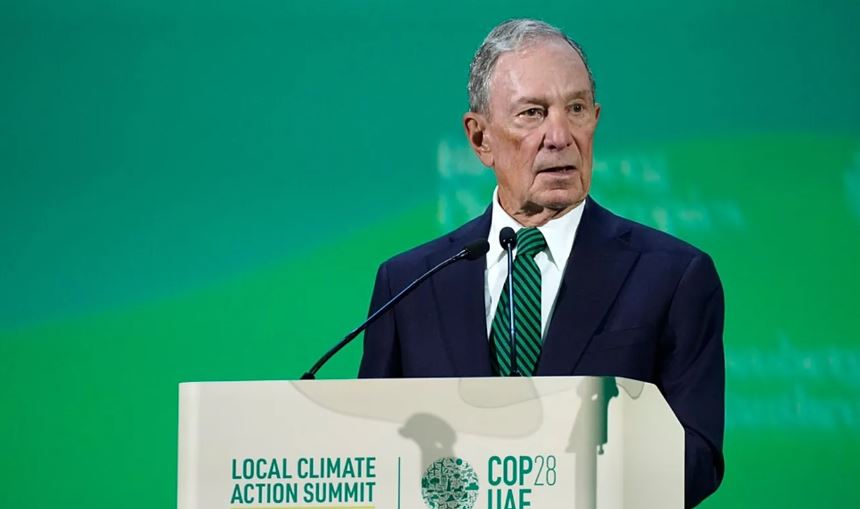
The United Nations Framework Convention on Climate Change (UNFCCC), which relies on contributions from nearly 200 member nations, receives a substantial portion of its budget from the US—traditionally its largest contributor, accounting for roughly 21 percent of total funding.
Earlier this week, President Donald Trump initiated the process of withdrawing the US from the Paris climate accord, marking a repeat of his administration’s 2017 decision during his first term. In response, Bloomberg announced on 23 January that he would help ensure the UN climate body remains adequately funded despite the anticipated loss of US contributions.
Bloomberg, a former mayor of New York City, UN Special Envoy on Climate Change, and one of the world’s wealthiest individuals, made the commitment through Bloomberg Philanthropies. His intervention echoes a similar effort during Trump’s previous withdrawal from the agreement.
UN Climate Change Executive Secretary Simon Stiell welcomed the move, emphasizing its importance in maintaining the organization’s ability to support global climate efforts. While noting that government funding remains critical, he said private contributions such as Bloomberg’s play a key role in enabling the UNFCCC to assist countries in meeting their Paris Agreement commitments and advancing toward a low-emissions, climate-resilient future.
Second Exit, Second Response
Trump’s latest decision forms part of a broader set of executive actions, including the US withdrawal from the World Health Organization. Although the Paris Agreement exit will take approximately one year to formally take effect, the announcement has already raised concerns about the future of international climate cooperation.
Once finalized, the US would join a small group of countries—including Iran, Libya, and Yemen—that are not part of the global climate pact. The country had previously rejoined the agreement under President Joe Biden after Trump’s initial withdrawal.
To mitigate the financial impact, Bloomberg Philanthropies, alongside other unnamed US-based climate funders, has committed to covering the contributions the US would have made to the UNFCCC. Specific figures and details about additional donors have not been disclosed.
In a statement, Bloomberg highlighted the role that non-federal actors played during the earlier withdrawal period, noting that cities, states, businesses, and citizens stepped up to maintain climate commitments. He indicated that similar efforts are now underway.
Bloomberg also pointed to the growing impact of climate-related disasters across the United States, including severe wildfires in California, as evidence of the urgency of continued action. At the same time, he underscored the economic advantages of transitioning to clean energy, citing declining costs and job creation across both politically conservative and liberal regions.
Looking ahead, Bloomberg said he would collaborate with local governments, private sector leaders, and other stakeholders to help ensure the US continues to track and meet its international climate goals, even in the absence of federal participation.
He concluded by emphasizing that public resolve remains strong, stating that Americans are committed to addressing the escalating challenges posed by climate change.