
Sustainable Flowers Gain Ground as Climate Change Reshapes the Industry
The global cut flower industry is undergoing a shift as climate change and rising costs push growers and businesses toward more sustainable practices, particularly ahead of high-demand occasions like Valentine’s Day.
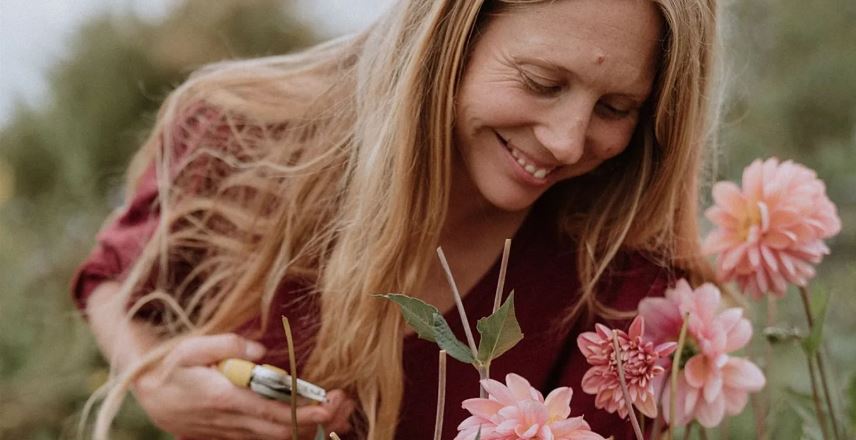
Across Europe, most flowers—especially roses—are either imported from large farms in countries such as Kenya or cultivated in energy-intensive greenhouses in the Netherlands. However, increasing environmental pressures are forcing the sector to adapt. Producers are rethinking how flowers are grown, transported, and sold, while new regulations and consumer awareness are accelerating the move toward greener alternatives.
Experts say climate change is already disrupting flower production. Unpredictable weather patterns, including rising temperatures, droughts, and erratic rainfall, are affecting yields and increasing costs for growers. In Kenya, a major supplier of roses to Europe, these changes are placing significant strain on both production and the livelihoods of thousands of workers who depend on the industry.
European growers are also facing challenges. In the Netherlands—responsible for around 70 percent of Europe’s flower supply—producers rely heavily on heated greenhouses, which require large amounts of energy and water. Rising energy prices and environmental concerns, including the use of pesticides, have added further pressure. Some Dutch cities have even restricted the use of flowers at public events due to health and environmental risks.
Transportation and production methods are among the biggest contributors to the industry’s carbon footprint. While air freight is often criticized, researchers note that greenhouse heating and lighting can be equally impactful. At the same time, shifts toward sea freight and renewable energy are helping to reduce emissions in some parts of the supply chain.
Studies suggest that flowers grown in warmer climates, such as Kenya, may in some cases have a lower overall energy footprint than those produced in European greenhouses, despite the need for transport. However, concerns remain about water use, chemical inputs, and local environmental impacts in exporting countries.
In response, some companies are investing in more sustainable technologies. Innovations such as renewable energy-powered greenhouses, LED lighting, and water recycling systems are significantly reducing emissions and resource use. Industry leaders increasingly acknowledge that long-term competitiveness will depend on environmentally responsible production rather than low-cost output alone.
Consumers are also playing a growing role in shaping the market. More buyers are asking about the origin and environmental impact of their flowers, leading to increased demand for certified products. Labels such as Fairtrade and sustainability certifications for European-grown flowers aim to ensure better environmental practices and fairer working conditions.
Despite these advances, experts say there is no single “perfect” sustainable flower. Choices depend on factors such as sourcing, seasonality, and production methods. Supporting certified producers, buying locally grown seasonal flowers, and increasing awareness about sustainable options are all seen as important steps.
As climate change continues to affect both supply chains and farming communities, the flower industry is being forced to evolve—balancing environmental responsibility with the expectations of a global market that still demands beauty and affordability.