
Trump’s Venezuela Oil Plan Sparks Climate Backlash and Global Concern
Plans by Donald Trump to expand US involvement in Venezuela’s oil sector have triggered strong criticism from environmental groups and policy experts, who warn the move could deepen both geopolitical tensions and the climate crisis.
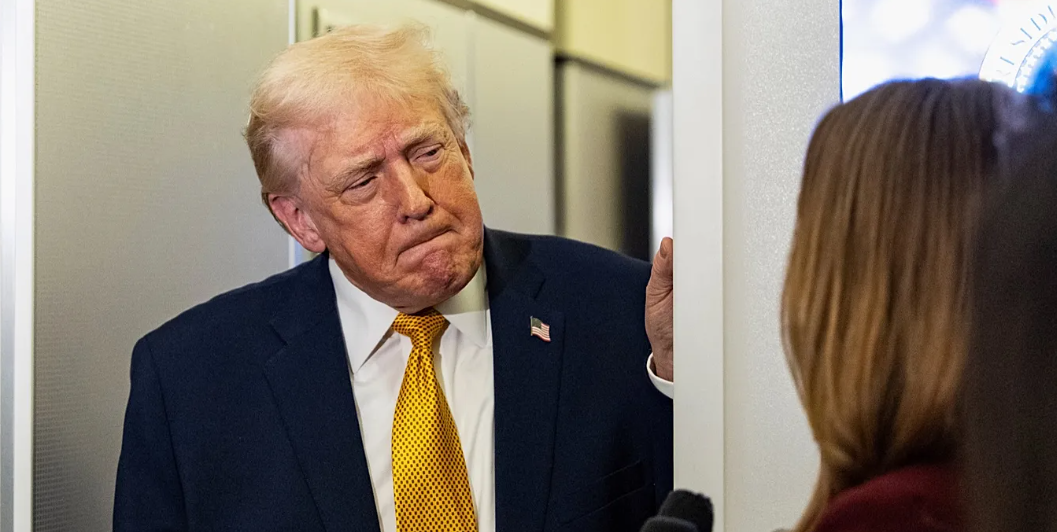
The proposal follows US claims of control over the country’s leadership and signals a major push to revive Venezuela’s struggling oil industry. Trump has indicated that American companies would invest billions of dollars to rebuild infrastructure and boost production, describing the sector as underperforming but full of potential.
Oil Expansion Amid a Climate Crisis
The announcement has drawn sharp backlash from environmental organisations, which argue that expanding fossil fuel extraction at a time of accelerating global warming is both risky and counterproductive.
Critics stress that oil, along with coal and gas, remains the largest contributor to climate change—responsible for the majority of global greenhouse gas emissions. Increasing production, they warn, could undermine international efforts to reduce emissions and transition to cleaner energy systems.
Venezuela’s Untapped Reserves
Venezuela holds some of the world’s largest oil reserves, primarily in the Orinoco Belt. However, much of this oil is heavy and difficult to extract, requiring significant investment and advanced technology.
Years of sanctions and underinvestment have limited production, leaving infrastructure in poor condition. Analysts suggest that renewed investment could rapidly increase output, potentially doubling or even tripling current production levels.
Market and Geopolitical Implications
A resurgence in Venezuelan oil production could influence global energy markets. Increased supply may help stabilize or lower prices over time and shift trade dynamics, particularly in relation to Russia’s energy exports.
However, some analysts note that Venezuela’s role within OPEC and existing global oil surpluses could limit immediate market disruptions.
Environmental and Ethical Concerns
Environmental groups have framed the situation as part of a broader pattern in which geopolitical conflicts intersect with fossil fuel interests. Critics argue that exploiting natural resources in politically unstable contexts risks prioritizing short-term economic gains over long-term sustainability and human rights.
Advocates are calling instead for a “just transition” away from fossil fuels—one that supports affected communities while protecting ecosystems and public health.
A Broader Debate on Energy and Power
The controversy highlights a deeper global tension: balancing energy demand, economic interests, and climate commitments. While fossil fuels continue to play a central role in global energy systems, pressure is mounting to accelerate the shift toward renewable alternatives.
The Stakes for the Future
As global temperatures continue to rise—already about 1.4°C above pre-industrial levels—decisions around fossil fuel expansion carry increasing consequences.
Experts warn that policies taken today will shape not only energy markets but also the trajectory of climate change, making the debate over Venezuela’s oil reserves a reflection of much larger global choices.